
Who Is Eligible For Benefits Under The Defense Base Act?
Civilian contractors support the United States government's projects in many parts of the world. Some work on military bases. Others provide security, transportation, construction, logistics, medical support, or translation services in dangerous or remote areas. When these workers suffer injuries overseas, they may wonder whether federal benefits are available.
Defense Base Act eligibility depends on the type of work, the contract involved, the location of the assignment, and how the injury happened. The law is designed to protect many civilian workers who are injured while supporting U.S. government operations outside the country.
Understanding who qualifies can help injured contractors take the right steps early. It can also help families know what support may be available after a serious injury or death connected to overseas contract work.
What Is The Defense Base Act?
The Defense Base Act is a federal law that extends workers' compensation protections to certain civilian employees working outside the United States. It applies to covered workers on U.S. military bases and to many workers employed under U.S. government contracts for public works or national defense projects.
This law can cover injuries that happen during overseas job duties, as well as some illnesses or conditions connected to covered employment. The goal is to provide medical care, wage loss support, disability benefits, and survivor benefits when a covered worker is harmed because of the job.
The Defense Base Act incorporates many of the benefit provisions found in the Longshore and Harbor Workers' Compensation Act, creating a federal workers' compensation system for eligible overseas civilian contractors.
Defense Base Act eligibility is not limited to combat roles. Many civilian support workers may qualify if their job is connected to a covered contract or covered overseas work location.
Who May Qualify For Coverage?
Many types of civilian workers may qualify under the law. Coverage may apply to employees of contractors and subcontractors performing work connected to U.S. government operations overseas.
Workers who may be covered include security personnel, truck drivers, mechanics, interpreters, construction workers, engineers, cooks, medical staff, IT workers, logistics employees, and administrative support workers. Some humanitarian aid workers and employees working on public works projects may also qualify depending on the contract.
Defense Base Act eligibility can also depend on whether the worker was employed by a company performing services under a government-funded contract. Job title alone does not decide coverage. The work location, contract terms, and job duties all matter.
Although many injured workers contact a Florida law firm for help, Defense Base Act claims are governed by federal law and generally follow procedures established under the Longshore and Harbor Workers' Compensation Act.
Common Overseas Work Locations
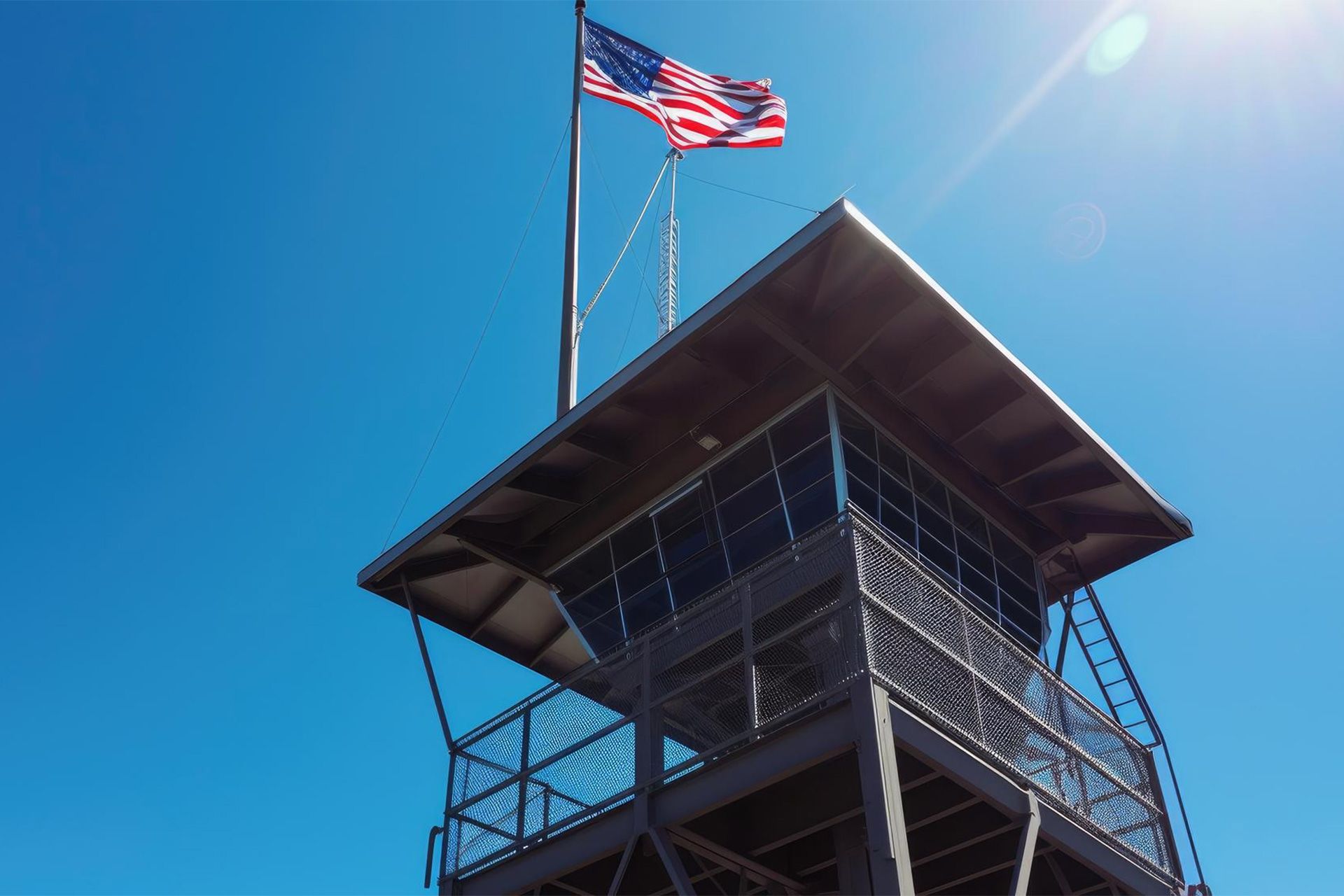
Covered work may take place on U.S. military bases, embassy-related projects, construction sites, transportation routes, housing facilities, or other overseas locations connected to government work.
Workers have served in areas such as Iraq, Afghanistan, Kuwait, Qatar, Germany, Japan, South Korea, and other countries where U.S. government contractors operate. A contractor living in the United States may still qualify if the injury happened during covered overseas employment.
A Florida Defense Base Act attorney can help review the work assignment, employer, location, and contract details to determine whether the claim may qualify.
What Types Of Injuries May Be Covered?
Covered injuries may be physical, psychological, or illness-related. The injury must generally be connected to covered employment.
Physical injuries may include back injuries, broken bones, knee injuries, shoulder injuries, head trauma, burns, hearing loss, and injuries from vehicle crashes or explosions. Psychological injuries such as PTSD, anxiety, depression, or other mental health conditions may be covered when medical evidence shows they are related to covered employment.
Some conditions develop slowly over time. For example, repeated exposure to loud noise may cause hearing loss, while stressful work environments may contribute to mental health issues. Defense Base Act eligibility may still exist when the condition is tied to covered work.
What DBA Benefits May Be Available?
DBA benefits may provide important support after an overseas work injury. Depending on the facts of the case, injured workers may qualify for medical treatment, disability compensation, and wage replacement. Depending on the circumstances, some injured workers may also qualify for vocational rehabilitation services.
Medical care may include physician visits, surgery, therapy, medication, diagnostic testing, and mental health treatment. Disability benefits may apply when the injury prevents the worker from returning to the same job or any suitable work.
DBA benefits may also be available to eligible family members if a covered worker dies because of a job-related injury. These benefits can provide financial support during an extremely difficult time.
How The Employer And Contract Affect Eligibility
The employer’s role can be important in determining coverage. A worker does not always need to be hired directly by the federal government. Many covered workers are employed by private companies, subcontractors, or support service providers.
The contract generally must relate to covered overseas government work. Public works, defense projects, military support, and certain government-funded services may fall under the law. Because contract language can be confusing, workers should not assume they are ineligible just because they worked for a private company.
An experienced Defense Base Act attorney can examine whether the employer-subcontractor relationship and assignment support coverage under the law.
What If The Injury Happened Away From The Main Job Site?
Some claims become more complex when the injury did not happen directly at a workstation. Overseas assignments may include travel, housing, transportation, and other activities connected to the job.
Depending on the circumstances, injuries occurring in employer-provided housing or during activities reasonably related to the overseas assignment may also be covered.
Every Defense Base Act claim depends on its specific facts. Workers should report where the injury happened, what they were doing, who was present, and how the activity related to their overseas assignment.
Signs You Should Review Your Eligibility
Some injured contractors are unsure whether they qualify because their job title does not sound military-related. Others assume they are not covered because they worked for a subcontractor or because symptoms appeared after they returned home.
You should review your eligibility if:
- You worked overseas under a U.S. government-related contract and were injured during the assignment.
- You developed PTSD, hearing loss, respiratory issues, or another condition connected to overseas work.
- Your employer or insurer denied responsibility for your injury.
- You received confusing claim letters or were told you do not qualify.
- A family member died while performing covered overseas work.
These situations do not automatically prove coverage, but they are strong reasons to get the facts reviewed.
Why Claims May Be Disputed
Even when a worker appears covered, insurance companies may challenge the claim. They may argue that the injury did not happen during covered work, that the condition is unrelated to employment, or that the worker can return to duty.
Disputes may also involve missing medical records, unclear accident reports, late notice, or conflicting statements. This is why workers should report injuries quickly, seek medical care, and keep copies of all documents.
DBA benefits can be delayed when evidence is incomplete. Strong records help show what happened, how the injury is connected to the job, and what treatment is needed.
Because important reporting and filing deadlines may apply, injured workers should seek legal guidance as soon as possible after an injury.
How To Protect Your Claim
The first step is to report the injury in writing. Include the date, location, symptoms, and how the injury happened. Keep a copy of the report for your own records.
Next, seek medical treatment and explain the work connection clearly to your provider. Follow treatment instructions, attend appointments, and save all medical records. Workers should also keep employment records, travel documents, contracts if available, accident reports, witness names, and insurance letters.
Conclusion
Defense Base Act eligibility depends on several factors, including the worker’s job duties, contract, employer, overseas location, and connection between the injury and covered employment. Many civilian contractors, subcontractors, and support workers may qualify even if they were not in a combat role.
Because these claims involve federal rules and overseas work details, getting clear guidance early can help protect your rights. At Tucker Law Group PLLC, we help injured overseas contractors understand their eligibility and pursue the benefits available under the law. Our Florida Defense Base Act attorney can help organize evidence, respond to claim disputes, and explain what steps may be needed if benefits are delayed or denied.
If you were injured while working overseas under a government contract, Tucker Law Group PLLC can help you understand your rights under the Defense Base Act. Our team represents injured civilian contractors in federal workers' compensation claims and can explain your legal options if benefits are delayed, disputed, or denied. Contact us today for a case evaluation.
FAQs
What does Defense Base Act eligibility mean?
Defense Base Act eligibility means a worker may qualify for federal benefits after being injured while performing covered overseas work for a U.S. government-related contract.
Do subcontractors qualify for DBA benefits?
Yes, subcontractors may qualify if their work was connected to a covered overseas government contract and the injury was related to that employment.
Can mental health conditions qualify?
Yes. PTSD, anxiety, depression, and other psychological injuries may qualify when they are connected to covered overseas work experiences.
Can I qualify if symptoms appeared after I returned home?
Possibly. Some conditions appear or worsen after the assignment ends. Medical evidence and work history are important when proving the connection.
What should I do if my claim is denied?
Review the denial carefully, gather supporting records, and consider legal guidance. A denial does not always mean you are not eligible for benefits.
Disclaimer: The information on this website and blog is for general informational purposes only and is not professional advice. We make no guarantees of accuracy or completeness. We disclaim all liability for errors, omissions, or reliance on this content. Always consult a qualified professional for specific guidance.
Search
Recent Posts