

Jacksonville Longshore Injury Attorney
Maritime and harbor work keeps cargo, vessels, terminals, and supply chains moving every day. These jobs are important, but they can also be dangerous. Longshoremen, harbor workers, cargo handlers, mechanics, ship repair workers, and terminal employees may face serious risks while working around cranes, containers, forklifts, ships, trucks, heavy equipment, and moving freight.
If you were injured while working on or near navigable waters, your claim may fall under the Longshore and Harbor Workers’ Compensation Act, also called the LHWCA. This federal law is different from regular state workers’ compensation. It provides benefits for many maritime employees injured on covered job sites, including docks, terminals, piers, shipyards, and other adjoining areas used for maritime work.
Tucker Law Group PLLC helps injured maritime workers understand their rights after serious harbor and longshore accidents. If you are searching for a Jacksonville longshore injury attorney, our team can review your situation, explain the claims process, and help protect your right to benefits under federal law.
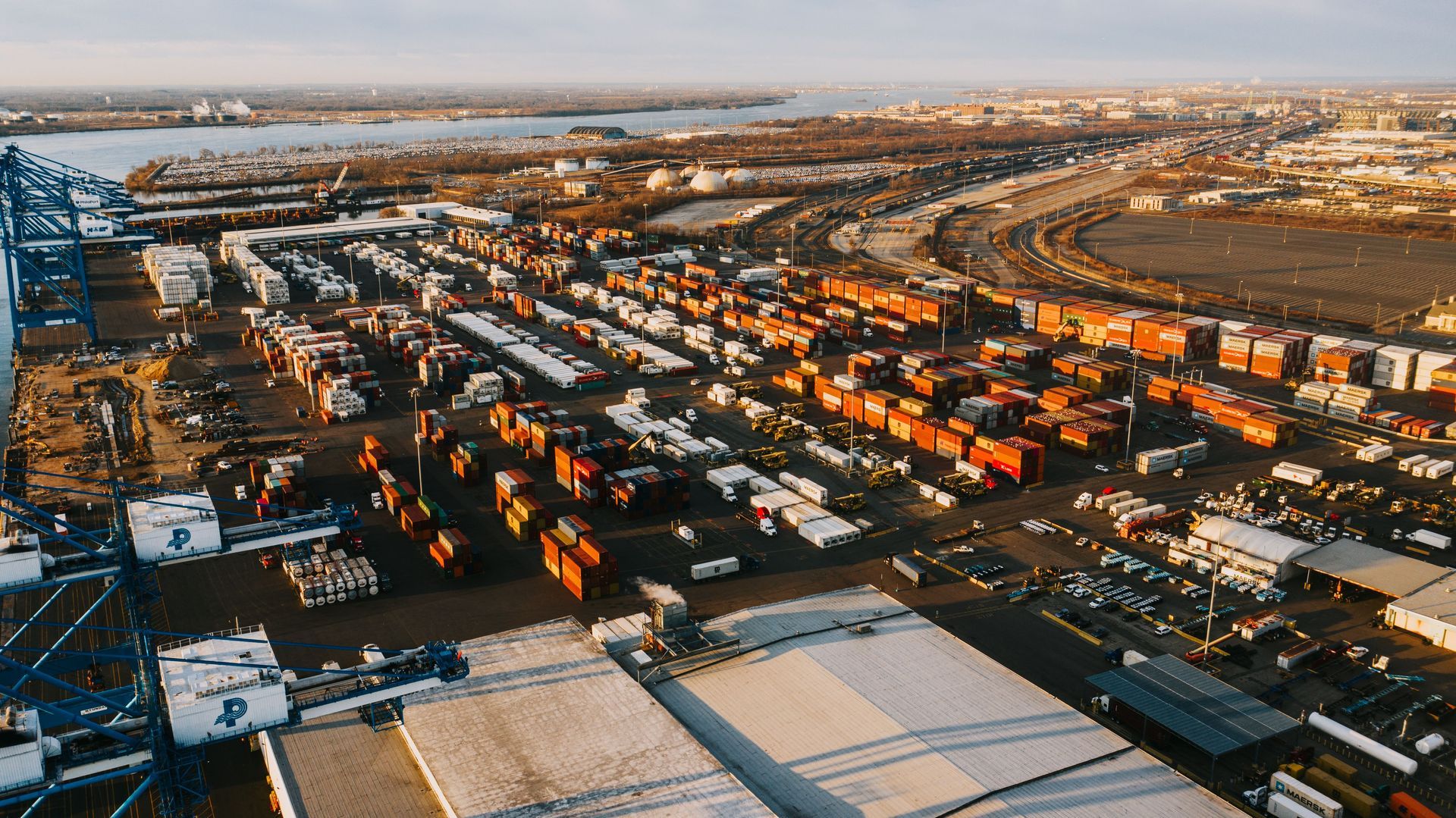
Legal Help For Injured Longshore And Harbor Workers
Longshore and harbor claims can become complicated because they involve federal law, medical evidence, job duty details, and insurance carrier review. A worker may know they were hurt on the job, but still face questions about whether the injury happened in a covered location or whether their duties qualify under the LHWCA.
A longshore attorney can help determine whether your work falls within federal coverage. This may include reviewing your job title, daily tasks, accident location, employer, medical records, and connection to maritime activity. The law may apply to many workers involved in loading, unloading, repairing, building, or supporting vessel-related operations.
Tucker Law Group PLLC has experienced LHWCA lawyers who work with injured employees seeking clear answers after a serious work accident. We help clients understand what benefits may be available and what steps may be needed if a claim is delayed, denied, or disputed.
Who May Qualify Under The LHWCA in Jacksonville?
The LHWCA may cover maritime employees who are injured while working on navigable waters or in adjoining areas used for maritime activity. Coverage usually depends on two key issues: the type of work performed and the place where the injury occurred.
- Longshoremen: Workers who load, unload, move, or handle cargo at ports, docks, terminals, or other maritime areas may qualify under the LHWCA.
- Harbor workers: Employees who perform harbor-related duties near navigable waters may be covered when their work supports maritime operations.
- Cargo handlers: Workers who move containers, freight, equipment, or supplies during loading and unloading operations may qualify if the injury occurs in a covered maritime area.
- Shipbuilders and ship repair workers: Employees who build, repair, maintain, or service vessels may be covered when their work is tied to maritime activity.
- Shipbreakers: Workers involved in dismantling vessels may qualify because this work is directly connected to maritime operations.
- Crane operators and equipment workers: Employees operating cranes, forklifts, loaders, or terminal equipment may qualify if their duties support vessel or cargo operations.
- Terminal employees and mechanics: Workers who maintain port equipment, repair machinery, or support terminal operations may be covered, depending on their job duties and the location of the injury.
- Some land-based maritime workers: Employees injured near docks, piers, terminals, shipyards, or adjoining areas may qualify if their work is closely connected to maritime activity.
A Jacksonville LHWCA attorney can help determine whether your job duties, employer, and accident location meet the requirements for LHWCA coverage.
Common Longshore And Harbor Accidents
- Falls from docks, gangways, ladders, vessels, or uneven terminal surfaces can cause serious injuries.
- Crane, forklift, and truck accidents may injure workers during cargo movement or loading operations.
- Falling containers, shifting freight, and unsecured cargo can strike or crush nearby employees.
- Equipment failures and unsafe unloading practices may create sudden hazards around vessels and terminals.
- Repeated lifting, bending, and carrying can cause long-term back, shoulder, knee, and neck injuries.
Injuries We Commonly See In Maritime Work
Longshore injuries may affect nearly every part of the body. Some injuries are visible right away, while others develop slowly after repeated strain or exposure. Common injuries include:
- Traumatic brain injuries
- Back injuries
- Neck injuries
- Shoulder injuries
- Knee injuries
- Hand injuries
- Leg injuries
- Broken bones
- Burns
- Crush injuries
- Amputations
- Nerve damage
- Hearing loss
- Respiratory problems
- Psychological trauma
Benefits Available Under The LHWCA
The LHWCA may provide important benefits for injured maritime workers. These benefits can help workers receive care and financial support while recovering from a job-related injury.
- Medical treatment: Covered care may include doctor visits, surgery, physical therapy, medication, diagnostic testing, and specialist treatment related to the workplace injury.
- Wage replacement: Injured workers may receive wage benefits if the injury prevents them from working during recovery.
- Temporary disability benefits: These benefits may apply when a worker cannot return to work for a limited period because of the injury.
- Permanent disability benefits: Workers with lasting physical limitations may qualify, depending on their condition.
- Vocational rehabilitation: This may help injured workers train for different work if they cannot return to their previous job.
- Survivor benefits: Eligible family members may receive benefits after a fatal work-related injury.
A Jacksonville longshore injury attorney can explain which benefits may apply based on your injury, medical restrictions, and ability to return to work. The exact benefits depend on the facts of each case.
Why Longshore Claims in Jacksonville May Be Disputed
Insurance carriers may dispute longshore claims for several reasons. They may argue that the worker was not covered by the LHWCA, that the injury did not happen in a covered location, or that the medical treatment is not related to the job accident.
Some disputes involve the worker’s ability to return to employment. The insurance company may claim the worker can perform regular duties even when the treating doctor has placed restrictions.
Claims involving gradual injuries, hearing loss, or repetitive stress conditions may require additional evidence. These cases may depend on medical opinions, job descriptions, work history, and proof of exposure or repeated physical demands.
What To Do After A Harbor Or Longshore Injury
The steps you take after a work injury can affect your claim. Reporting, treatment, and documentation all matter.
- Report the injury to your employer as soon as possible. Put the report in writing when you can and keep a copy. Include the date, location, how the injury happened, and what symptoms you noticed.
- Seek medical attention and explain your job duties clearly to the doctor. Be honest about your pain, physical limits, and how the accident happened. Follow your treatment plan and attend all appointments.
- You should also keep copies of medical records, work restrictions, accident reports, witness names, pay records, insurance letters, and employer communications.
- Before accepting a settlement or giving a recorded statement, consider speaking with a longshore attorney who understands federal maritime injury claims.
Local Support For Port And Maritime Workers
Jacksonville has a strong maritime and logistics network, with many private companies supporting cargo movement, warehousing, trucking, terminal operations, vessel services, and port-related work. Workers in these roles may face risks that differ from those in typical office or land-based jobs.
When a serious injury happens, the legal process can feel confusing. A worker may be unsure whether the claim belongs under state workers’ compensation or the LHWCA. The answer can make a major difference because longshore claims follow federal rules and require careful review.
Tucker Law Group PLLC helps injured maritime workers and their families understand where their claim fits and how to move forward.
Locations Near Jacksonville We Serve
- Atlantic Beach
- Neptune Beach
- Ponte Vedra Beach
- Nocatee
- Palm Valley
- St. Johns
- Orange Park
- Fleming Island
- Middleburg
- Green Cove Springs
- Fruit Cove
- Julington Creek
- Yulee
- Callahan
- Fernandina Beach
- Amelia Island
- St. Augustine
- Macclenny
- Baldwin
How Can a Jacksonville Longshore Injury Lawyer Help?
Our experienced Longshore Injury Lawyer in Jacksonville guides injured workers facing complex federal injury claims. We help clients understand coverage, gather evidence, review medical issues, communicate with insurance carriers, and respond when benefits are denied or delayed.
Our team can evaluate the facts of your case, including where the injury occurred, what work you performed, what medical treatment you need, and whether the LHWCA may apply. We also help workers understand settlement issues and avoid decisions that could affect future medical care or wage benefits.
If you need a Longshore Injury Claims Attorney in Jacksonville, Tucker Law Group PLLC is ready to provide clear guidance and practical support.
Speak With a Jacksonville LHWCA Attorney Today
A harbor or longshore injury can affect your health, income, and future ability to work. You do not have to handle the claims process alone. Tucker Law Group PLLC helps injured maritime workers understand their rights under the LHWCA and pursue the benefits available after serious workplace injuries.
Contact our team today to schedule a consultation with a Jacksonville longshore injury attorney and discuss your legal options.
Frequently Asked Questions
What Is The Longshore And Harbor Workers’ Compensation Act?
The LHWCA is a federal law that provides benefits to certain maritime workers injured on navigable waters or adjoining areas used for maritime work, such as docks, piers, terminals, and shipyards.
Who Can File A Longshore Injury Claim?
Longshoremen, harbor workers, ship repair workers, shipbuilders, cargo handlers, terminal workers, and other maritime employees may qualify, depending on their job duties and the location of the accident.
What Benefits Are Available After A Longshore Injury?
Benefits may include medical treatment, wage replacement, temporary or permanent disability benefits, vocational rehabilitation, and survivor benefits for eligible family members.
Can I Qualify If I Was Injured On Land Near The Water?
Yes, some land-based injuries may qualify if they happened in an adjoining maritime area used for loading, unloading, repairing, or building vessels.
Why Should I Contact A Longshore Injury Lawyer?
A lawyer can help determine whether the LHWCA applies, gather evidence, deal with insurance disputes, and protect your right to benefits under federal law.