
10 Most Common Types of Personal Injury Cases
The most common types of personal injury cases include vehicle crashes, falls, medical malpractice, defective products, workplace incidents, dog bites, and wrongful death claims. Each case requires proof that another person or business caused harm through negligence, misconduct, or a legal violation.
A personal injury claim can help an injured person seek compensation for medical care, lost income, pain, disability, and other losses. However, the rules are not identical for every accident. Florida auto claims, medical malpractice cases, and premises liability claims each have different evidence and filing requirements.
Understanding the major types of personal injury cases can help you recognize when an accident may support a legal claim and which records you should preserve.
What Makes an Accident a Personal Injury Case?
An injury does not automatically create a valid personal injury claim. In most cases, the injured person must show that another party had a legal duty, failed to act with reasonable care, and caused measurable harm.
A typical negligence claim involves four basic elements:
- The defendant owed the injured person a duty of care.
- The defendant breached that duty.
- The breach caused the accident or injury.
- The injured person suffered damages.
The following are 10 common types of personal injury cases seen in Florida.
1. Car Accident Claims
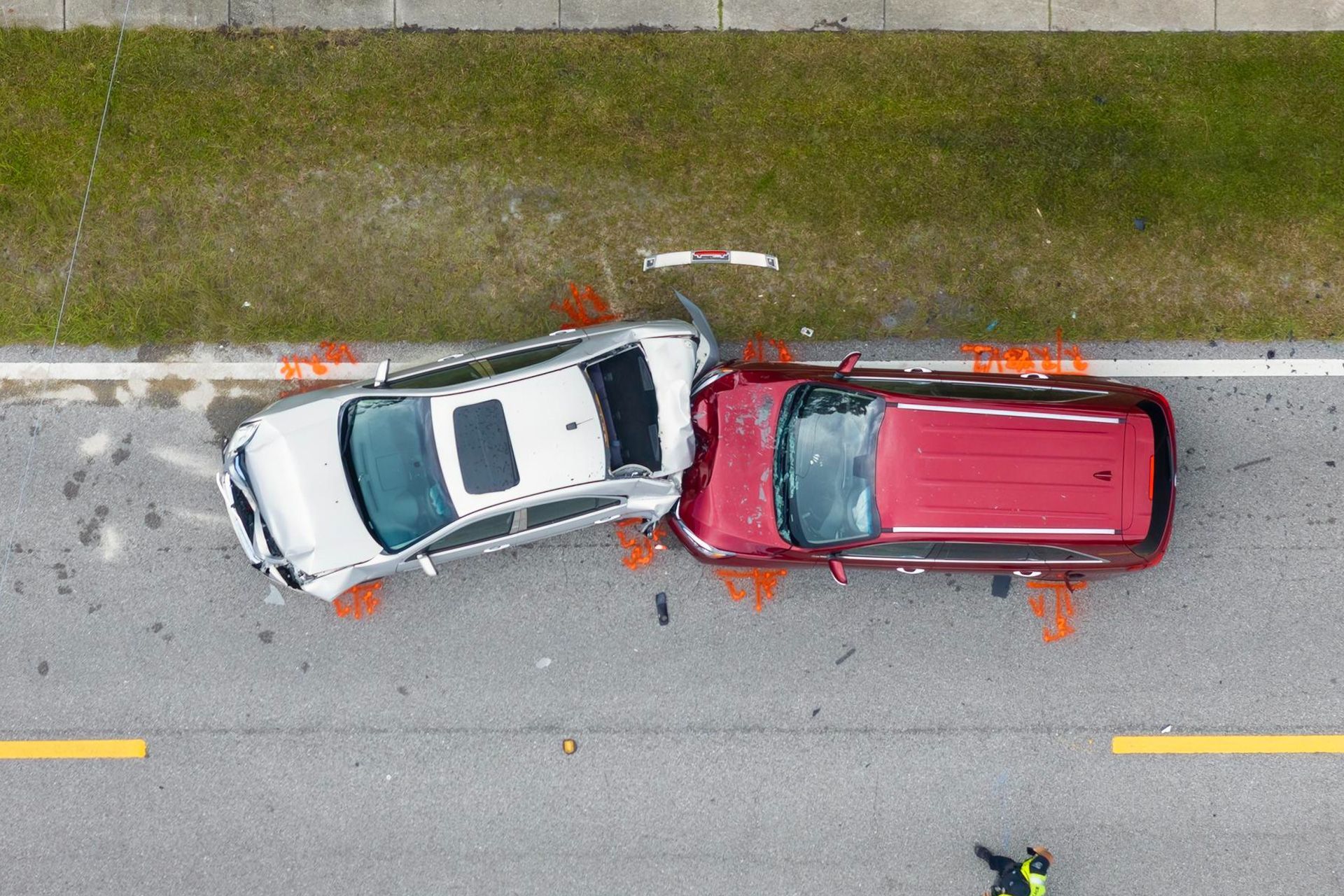
Car crashes are among the most familiar personal injury cases. They may be caused by speeding, distracted driving, unsafe lane changes, impaired driving, tailgating, or failure to yield.
Useful evidence may include crash reports, photographs, video, witness statements, vehicle data, and medical records.
Florida follows a no-fault auto insurance system. Personal Injury Protection coverage may pay certain medical and lost-income benefits regardless of who caused the collision. A person seeking pain and suffering damages generally must meet Florida’s serious-injury threshold.
More than one driver, vehicle owner, employer, or business may share responsibility.
2. Truck Accident Claims
Commercial truck accidents can cause severe injuries because of vehicle size and weight. These claims may also involve more defendants and more technical evidence than a standard car crash.
Potentially responsible parties may include:
- The truck driver
- The trucking company
- A cargo-loading business
- A maintenance contractor
- A vehicle or parts manufacturer
- Another company controlling the shipment
Common causes include driver fatigue, distracted driving, unsafe loading, poor maintenance, speeding, and inadequate training.
Truck cases may require quick action to preserve electronic logs, inspection reports, driver records, onboard data, and video. Some electronic records may be overwritten if they are not requested early.
3. Motorcycle Accident Claims
Motorcycle riders have less physical protection than people inside passenger vehicles.
Motorcycle accidents can lead to fractures, head injuries, spinal damage, road rash, and permanent disability.
Common causes include drivers who:
- Turn across a motorcycle’s path
- Fail to check blind spots
- Change lanes without warning
- Follow too closely
- Open a door into a rider’s path
- Drive while distracted
Insurance companies may try to blame the rider based on assumptions about motorcycles. The claim should be evaluated using road conditions, vehicle positions, skid marks, damage, and witness accounts.
Florida’s comparative fault rules can reduce compensation when an injured person shares responsibility for an accident.
4. Pedestrian and Bicycle Accident Claims
Pedestrians and cyclists can suffer life-changing injuries when struck by a vehicle. These accidents frequently occur at intersections, crosswalks, parking lots, driveways, and roads without safe shoulders.
A claim may involve a driver who:
- Failed to yield
- Ignored a traffic signal
- Drove too fast for conditions
- Backed up without checking
- Used a phone while driving
- Drove under the influence
Poor road design, blocked signs, defective signals, or unsafe construction areas may also contribute. Nearby video should be requested quickly before it is deleted.
5. Slip and Fall and Premises Liability Claims
Premises liability cases arise when unsafe property conditions injure a lawful visitor.
Examples include:
- Wet or greasy floors
- Broken steps
- Loose handrails
- Uneven walkways
- Poor lighting
- Falling merchandise
- Unsafe swimming pools
- Inadequate security
- Hidden holes or obstacles
A fall does not automatically make the property owner liable. In a Florida business slip-and-fall case involving a temporary substance, the injured person generally must show that the business had actual or constructive knowledge of the condition and should have corrected it.
Photographs, incident reports, cleaning records, prior complaints, and video may help establish notice.
6. Medical Malpractice Claims
Medical malpractice occurs when a health care provider fails to meet the required professional standard of care and causes injury.
Possible claims include the following:
- Delayed diagnosis
- Misdiagnosis
- Surgical mistakes
- Medication errors
- Birth injuries
- Anesthesia errors
- Failure to monitor a patient
- Inadequate follow-up care
A poor medical result does not always mean malpractice occurred. The issue is whether substandard care caused additional harm.
Florida medical malpractice cases have special presuit requirements. A claimant generally must investigate the case, obtain supporting medical expert evidence, and provide notice before filing a lawsuit. These claims also have strict filing deadlines, so early review is important.
7. Defective Product Claims
A product liability claim may arise when a dangerous product injures a consumer, worker, or bystander.
The problem may involve:
- Unsafe design
- Manufacturing defects
- Inadequate warnings
- Missing instructions
- Defective vehicle parts
- Dangerous machinery
- Unsafe medical devices
- Contaminated consumer goods
Potential defendants may include the designer, manufacturer, distributor, retailer, or another business in the supply chain.
Keep the product when it is safe to do so. Do not repair, discard, alter, or return it before receiving legal guidance. Save its packaging, instructions, receipt, model number, and photographs.
8. Workplace and Third-Party Injury Claims
Most employees injured while performing job duties first look to workers’ compensation for medical care and wage-related benefits.
However, a separate personal injury case may be possible when someone other than the employer or a coworker caused the accident.
Examples include:
- A delivery driver hit by another motorist
- A construction worker injured by another contractor
- A worker harmed by defective equipment
- An employee injured on property controlled by another company
- A worker exposed to a dangerous product
A third-party claim may provide damages that workers’ compensation does not cover in the same way, including pain and suffering.
These claims require coordination because the workers’ compensation carrier may have reimbursement rights.
9. Dog Bite and Animal Attack Claims
Dog bites can cause puncture wounds, infections, nerve injuries, scars, emotional trauma, and permanent disfigurement. Children may be especially vulnerable to facial injuries.
Florida law generally holds a dog owner responsible when the dog bites a person in a public place or while the person is lawfully on private property. The injured person usually does not have to prove that the owner already knew the dog was dangerous.
However, the person’s own negligence may reduce the recovery. Other rules may also apply when warning signs were posted or the injured person was unlawfully on the property.
Photographs, animal-control reports, witness statements, and medical records may support the claim.
10. Wrongful Death Claims
A wrongful death claim may arise when negligence, a defective product, medical malpractice, or another wrongful act causes a person’s death.
The personal representative of the estate files the action on behalf of the estate and qualifying survivors.
Depending on the facts, damages may include:
- Lost support and services
- Medical and funeral expenses
- Lost earnings
- Loss of companionship
- Loss of parental guidance
- Mental pain and suffering
- Losses suffered by the estate
Florida’s Wrongful Death Act determines who may recover and which damages are available.
What Compensation May Be Available?
The damages available depend on the type of claim and the losses caused by the personal injury.
Economic Damages
Economic damages have a measurable financial value. They may include:
- Past and future medical expenses
- Lost wages
- Reduced earning capacity
- Rehabilitation
- Medical equipment
- Household assistance
- Property damage
- Funeral expenses
Noneconomic Damages
Noneconomic damages address the personal impact of an injury. They may include:
- Physical pain
- Emotional distress
- Disability
- Disfigurement
- Loss of enjoyment of life
- Loss of companionship
How Does Comparative Fault Affect a Florida Claim?
Florida applies a modified comparative fault rule to many negligence cases.
A person’s damages may be reduced by their percentage of fault. In covered negligence actions, a person found more than 50% responsible for their own harm generally cannot recover damages.
For example, if an injured person is found partly responsible, the final recovery may be reduced by that percentage. Medical malpractice claims are treated differently under this specific greater-than-50% bar.
Insurance companies may use comparative fault arguments to reduce what they pay. Evidence showing how the incident happened is therefore important.
How Long Do You Have to File a Personal Injury Case?
Many Florida negligence lawsuits must be filed within two years. Medical malpractice and wrongful death claims also commonly involve two-year periods, but their rules differ.
Other claims may have longer or shorter deadlines. Product liability, claims involving government entities, minors, intentional acts, and certain federal cases can follow different rules.
Evidence can disappear long before a filing deadline expires.
Delays may result in:
- Deleted video
- Lost electronic data
- Repaired accident scenes
- Discarded products
- Unavailable witnesses
- Incomplete medical documentation
An attorney should identify the correct deadline based on the exact claim.
What Should You Do After an Injury?
Your health comes first. Seek appropriate medical care and follow the provider’s instructions.
When possible, also:
- Report the incident
- Photograph the scene and injuries
- Collect witness contact details
- Keep damaged products or clothing
- Save bills and receipts
- Track missed work
- Avoid signing broad releases
- Be careful discussing the incident online
- Keep copies of insurance messages
Do not delay care while deciding whether to file a claim. Treatment gaps may harm your health and weaken proof of causation.
Speak With Tucker Law Group PLLC About Your Injury
Knowing the common types of personal injury cases can help you recognize when another person or business may be legally responsible. However, the strength of a claim depends on evidence, causation, damages, insurance coverage, and Florida law.
Tucker Law Group PLLC represents injured people in Florida personal injury matters. The firm also handles Florida workers’ compensation, Defense Base Act, Longshore Act, Social Security Disability, and hearing loss claims.
Contact Tucker Law Group PLLC if an accident, unsafe property, defective product, or another party’s negligence caused injuries that affect your health, work, or daily life.
Frequently Asked Questions
What Are the Most Common Types of Personal Injury Cases?
Common cases include car, truck, motorcycle, pedestrian, premises liability, medical malpractice, defective product, workplace third-party, dog bite, and wrongful death claims.
Do All Accidents Create Personal Injury Claims?
No. The injured person generally must prove that another party had a legal duty, breached that duty, caused the injury, and created damages.
Can You File a Personal Injury Claim After a Workplace Accident?
Workers’ compensation may be the main remedy against the employer. A separate claim may be possible when a negligent third party caused the workplace injury.
What Damages Can a Personal Injury Claim Cover?
Possible damages include medical expenses, lost income, reduced earning ability, pain, disability, emotional distress, and other losses caused by the injury.
Can You Recover if You Were Partly at Fault?
Possibly. Florida may reduce compensation based on your share of fault. In many negligence cases, a person more than 50% responsible cannot recover damages.
How Long Do You Have to File in Florida?
Many negligence cases have a two-year filing deadline, but important exceptions apply. Medical malpractice, product liability, government, and federal claims may follow different rules.
When Should You Contact a Personal Injury Attorney?
Consider seeking legal guidance promptly after a serious injury, disputed fault, denied insurance claim, accident involving several parties, or incident that may require expert evidence.
Disclaimer: The information on this website and blog is for general informational purposes only and is not professional advice. We make no guarantees of accuracy or completeness. We disclaim all liability for errors, omissions, or reliance on this content. Always consult a qualified professional for specific guidance.
Search
Recent Posts